Brochures sell routes as if they were constant, but a route is a slide show that the calendar controls. The castle in July is a different experience from the same castle in November, and neither is the castle of late September. Travelers who understand what each season adds to the classic itineraries can pick a departure for the trip they actually want, instead of accepting whatever the calendar hands them. The habit costs nothing. It is a matter of reading the departure dates as content rather than logistics, and it has changed more trips for me than any upgrade ever priced.
The claim: seasons change content, not just comfort
The common view treats seasons as a comfort variable, warmer or cooler, busier or quieter. The evidence from repeated runs of the same routes says the seasons change the substance. Harvest festivals exist in autumn and not in spring. Alpine passes that anchor mountain itineraries close from November to May. Coastal towns that feel like film sets in June shutter by October. A spring departure and an autumn departure of the identical itinerary are, in experience, two different products wearing the same brochure page.
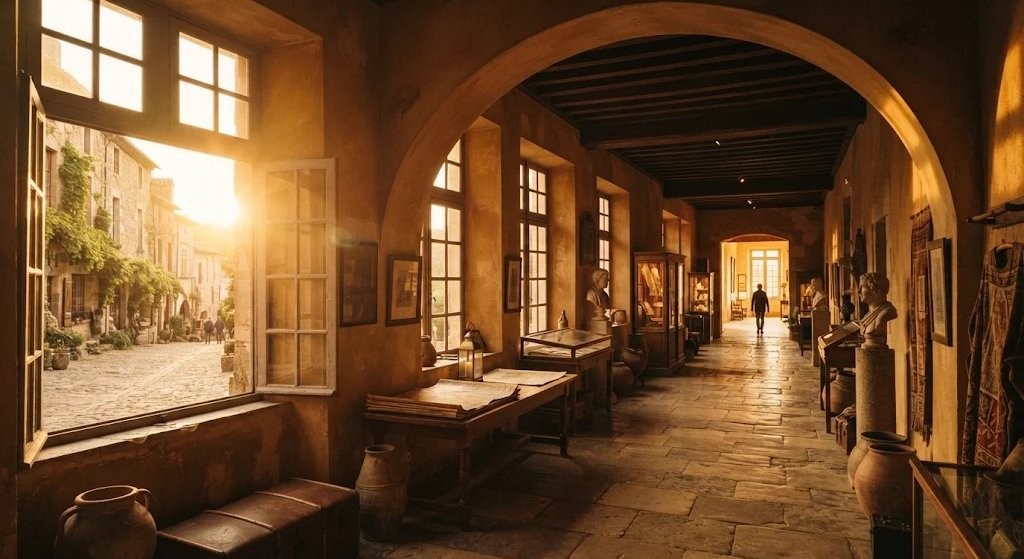
What each season delivers
| Season | Reliable highlights | Reliable costs |
|---|---|---|
| Spring | Blossom routes, full rivers and falls, mild walking days | Cold mornings in mountains, some passes still shut |
| Summer | Long days, festivals, every sight open | Crowds at headline sights, heat on afternoons, peak prices |
| Autumn | Harvest events, wine country at its best, stable weather | Shortening days, first storms late in the window |
| Winter | Markets, city museums without queues, low rates | Closed rural sights, short daylight, weather delays |
The comfort math travelers get backwards
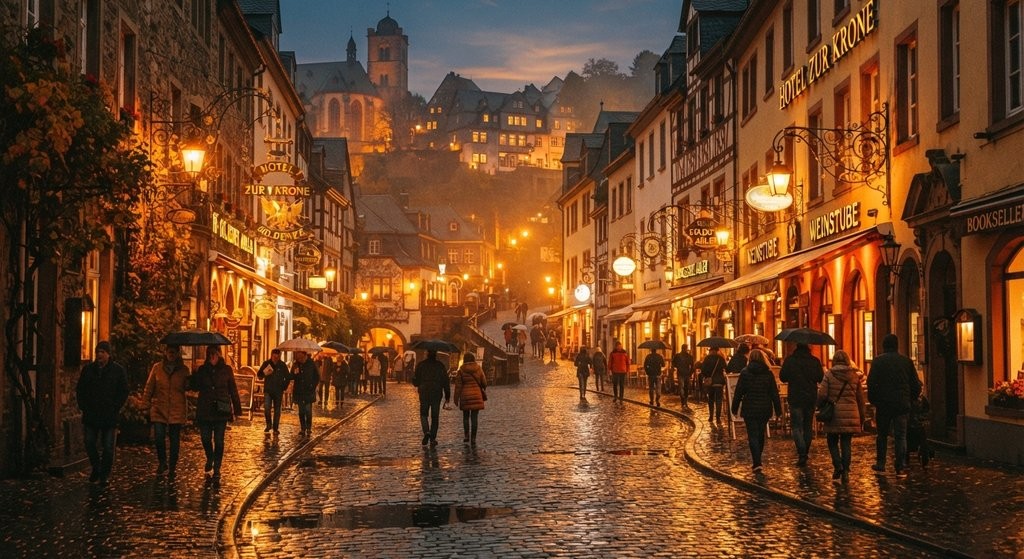
There is also a comfort story, and most travelers tell it wrong. They assume peak summer is the pleasant season because it is the warm one, then discover that a May afternoon at twenty degrees outlasts an August one at thirty-five by several hours of usable walking. Group itineraries amplify the difference, because a coach schedule cannot move for heat the way a solo plan can. Operators cope with shaded stops and shuffled orders, but the traveler who books the shoulder week simply buys better walking days, quieter sight lines and hotel staff with time to talk. Comfort on tour correlates with the calendar's edges far more than with its peak.

The evidence in the itinerary
The seasonal effect concentrates in three places a traveler can check before booking.
- Nature anchors: waterfalls, passes and gardens have calendars, and the operator's own photos reveal which month they were shot in.
- Local events: a route that crosses wine country in October hits festivals the same route misses in May, and operators rotate departure dates to catch or avoid them.
- Daylight budget: early sunsets shrink evening freedom by an hour a month through autumn, which quietly turns open evenings into hotel evenings.
The two edges of the season
One more pattern is worth naming, because it is where the value hides. Every season has edges, the two or three weeks when the next season is arriving and the current one has not left, and those edges are consistently the best departures on the calendar. The last week of May often combines spring prices with summer daylight. The first weeks of October can deliver autumn color with summer ferries still running. Operators know this and price it accordingly, which is why the edge weeks sell out before the peak ones in experienced markets. A traveler who asks one question at booking, which weeks sit on the border, frequently buys the best version of the route at a lower number than the neighbors paid.
What it means for choosing a date
The decision rule pairs the season with the region rather than the brochure. Coastal and lake itineraries reward the edges of summer, June and September, which deliver the water and the light without the peak crowds. Wine and harvest routes belong to autumn, full stop. Mountain itineraries live in the July and August window or the late June one, because the passes and the high walks decide the trip. City-based tours are the one genuinely year-round product, and winter is their underrated bargain, with museums to yourself and hotels at half price. Match the month to the terrain and the same brochure page becomes the trip you meant to buy.