Our best day of that whole year did not appear on any itinerary. It was the day after a tour ended, when most of the group flew home and we stayed, and took a slow bus out to a lake village the coach could never have reached with its mirrors. Nobody sold us that day. We found it the way you find things on the last day of a trip, with loose plans and no luggage under any bus. Since then, adding a day or two before or after a departure has been the fixed habit, and the difference between a good addition and a wasted one has become easy to see.
Day after the tour ended. Same mountains, no schedule. The bus driver played music from his phone and everyone on board looked like they had nowhere better to be, because we didn't.
The logic of the extra day
A tour week is optimized for the coach: wide roads, big names, hotels that fit sixty. The extra days should therefore buy exactly what the coach cannot: narrow places, slow places, and the same big names seen without the schedule. That last one is the sleeper. Every major sight we revisited on our own, a day before the group arrived or a day after it left, gave us a different experience, emptier and unhurried, and cost only the price of the extra night. The pattern generalizes: add days at the end of the route, not the start, because you arrive knowing the region, the language basics and the food, and the day spends itself well.
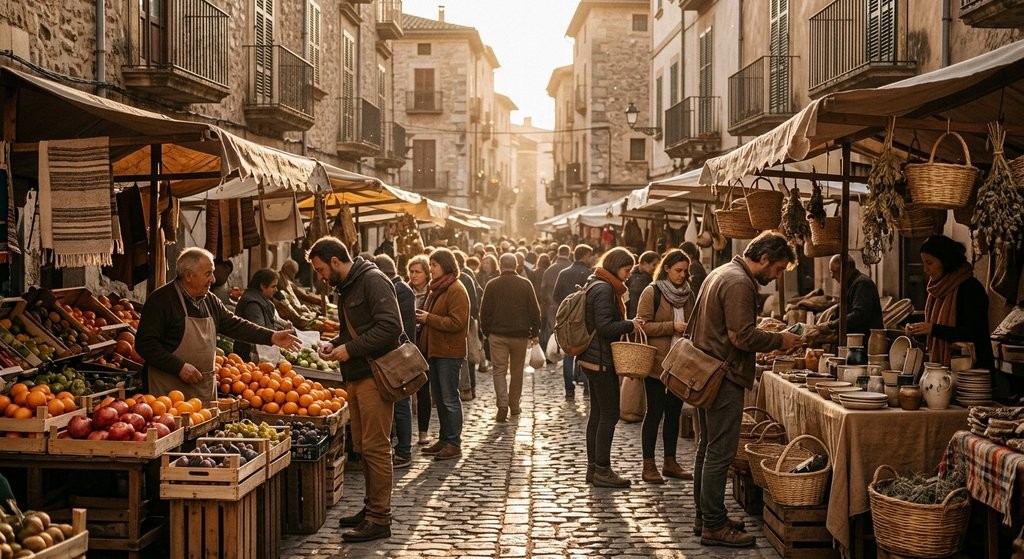
Before or after: the order matters
Which end to add the days to is a real question with a consistent answer. Before the tour, you are carrying luggage nerves, unfamiliar currency and a fear of missing the start; every plan you make for those days competes with the anxiety the tour is about to remove. After the tour, you are loose, oriented and already fond of the region. The same town, the same bus, the same lunch, and two completely different travelers receiving them. We now add all extra days at the back end without discussion, and the one exception we make is practical rather than romantic: a long-haul arrival with jet lag earns its pre-tour night at the start, spent doing nothing more ambitious than sleeping and walking to dinner.
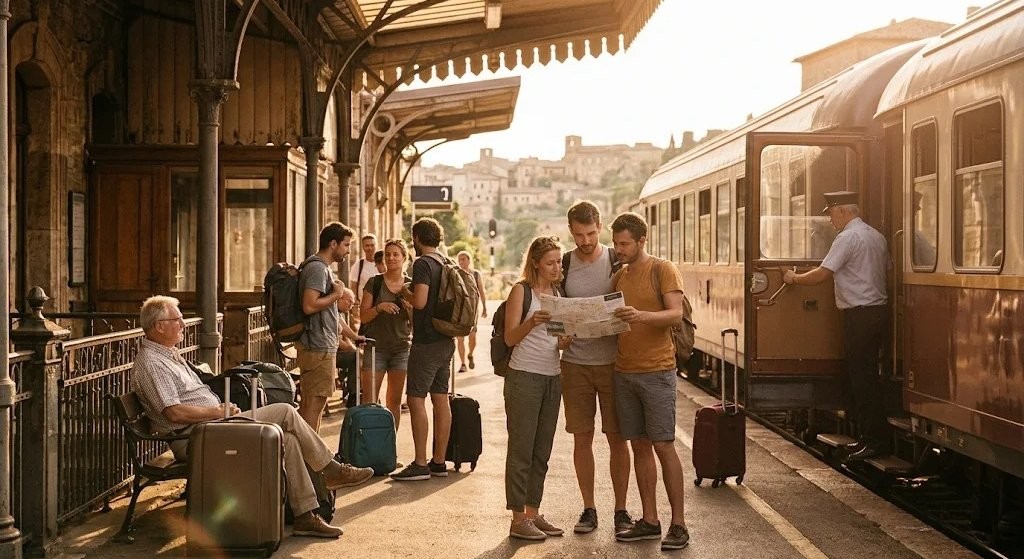
The additions that repay the night
Certain kinds of detours have repaid the extra hotel night on every trip we have taken.
- The second visit: any headline sight the tour sees on its final morning deserves the solo return the next day, when the group is gone and the light is yours.
- The small place nearby: within an hour of most tour hubs sits a town the itinerary skipped for road-width reasons, and these are reliably the trips locals recommend first.
- The slow morning: a regional market, a bath house, a garden, something with no queue and no guide, which resets the nervous system after a fortnight of clocks.
The additions that do not
The failures teach the same lesson from the other side. Distant detours that chase one more famous thing spend the day in transit and the evening exhausted, reproducing the tour's pace without its support. Anything requiring a rental car on the wrong side of the road after two weeks of being driven costs more in stress than it returns in sights. And the tempting upgrade, flying home a full day early from a farther airport to save a night, has never once, in our ledger, been worth the loss of the slow final day, which is the day we talk about at dinner for years.
How we book it now
The method is short. Book the tour first, then add nights at the far end of its route, in the last overnight town rather than the arrival city. Choose one anchor for the extra day, a second visit or a nearby small place, and leave the rest loose, because the loose hours are the point. Ask the tour director before goodbye, not the internet after, where they would go with a free day; the answers have sent us to a farm lane, a monastery kitchen and one unmarked beach that no search result would have surfaced. The tour shows you a region at coach speed. The day after shows you what the region does when nobody is watching, and that day, added on, has become the private tradition of every trip since.